
Water Desalination Dependence Emerges as Threat to Gulf Regions
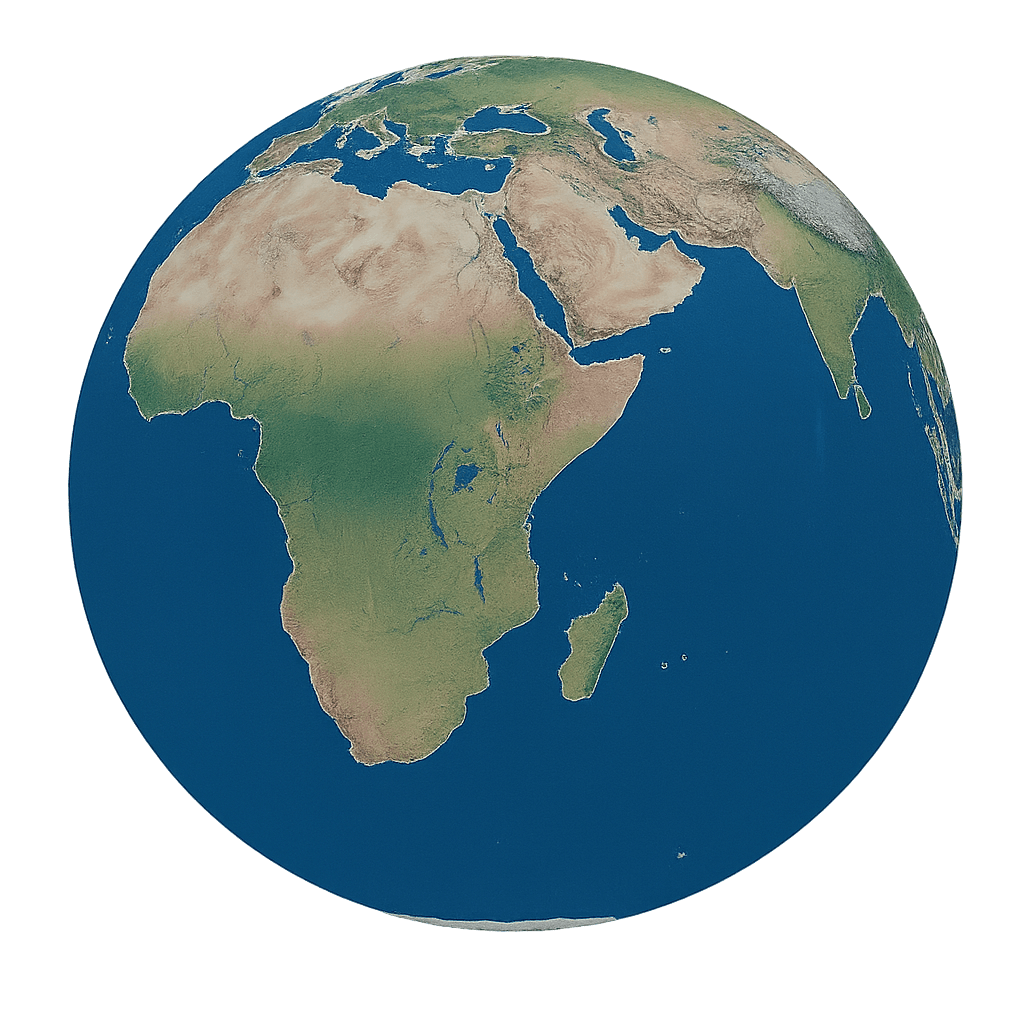
The stakes could not be higher. In one of the most water-stressed regions on Earth, Gulf nations draw up to 90% of their drinking water from desalination systems — a dependency that critics now describe as a structural wartime vulnerability hiding in plain sight.
Alarm bells intensified on March 23, when Iran's semi-official Fars News Agency circulated photographs identifying 11 critical energy and desalination installations across Gulf states and Jordan — a move widely interpreted as a tacit warning of potential retaliation should hostilities deepen.
Days later, US President Donald Trump escalated the rhetoric further, issuing a direct threat against Iran's core infrastructure via Truth Social.
"If for any reason a deal is not shortly reached … we will conclude our lovely 'stay' in Iran by blowing up and completely obliterating all of their Electric Generating Plants, Oil Wells and Kharg Island (and possibly all desalination plants!)," he posted on Truth Social.
Shafiqul Islam, director of the Water Diplomacy Program at Tufts University in the US, told media that the region's entire water architecture rests on an interlocking chain of systems — each one a potential target.
"Oil built the Gulf. Desalinated water keeps it alive," Islam told media.
He cautioned that desalination plants are inseparable from the power grids and coastal intake networks that feed them — all of which are exposed to both kinetic strikes and cyber warfare.
"In the Gulf, you can essentially cut the water by cutting the power," he said.
Islam pointed to the cascading humanitarian disasters that followed infrastructure collapse in Iraq, Syria and Gaza — where the breakdown of water systems rapidly triggered fatalities and outbreaks of infectious disease.
"That is why escalating US and Israeli strikes on Iran, and Iran's retaliatory options, pose serious risks not only to energy markets but also to the basic water supplies of millions of people in the Middle East," he added.
A Region Built on Desalinated Water
The scale of the region's dependency is staggering. More than 400 desalination plants line the Gulf coast, collectively supporting drinking water supply, agriculture and industrial operations across six nations.
According to the GCC Statistical Center, Gulf countries generated approximately 7.2 billion cubic meters of desalinated freshwater in 2023. Saudi Arabia led production, followed by the UAE, Kuwait, Qatar, Oman and Bahrain — together accounting for roughly 40% of the world's total desalinated water output.
Islam noted that per capita annual freshwater availability in the region hovers around just 100 cubic meters — dramatically below the UN's recognized threshold for absolute water scarcity.
In the majority of Gulf states, desalination supplies more than half of all water consumed and nearly 90% of drinking water, embedding these coastal installations at the very core of national survival.
"Desalination has solved the water problem in peacetime; but it has created a new vulnerability in wartime," Islam said.
The calculus, he argued, is fundamentally different from an energy disruption.
"You can live without oil. You cannot live without water for more than a few days. Oil can be substituted but water can't be substituted. This is no longer just an energy story. It is now a water security story," he stressed.
Legal Disclaimer:
EIN Presswire provides this news content "as is" without warranty of any kind. We do not accept any responsibility or liability for the accuracy, content, images, videos, licenses, completeness, legality, or reliability of the information contained in this article. If you have any complaints or copyright issues related to this article, kindly contact the author above.
